
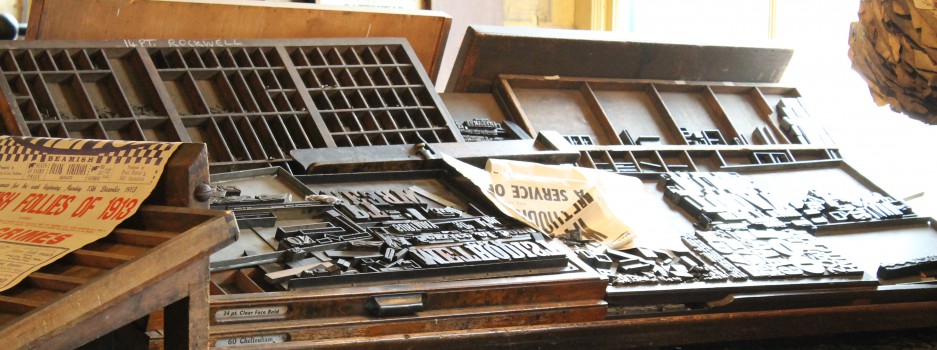
Photo by Star of the Sea on Unsplash
The difference between good writing and bad writing is more than simply reader enjoyment or understanding. It is career advancement or publication rejection.
Seem overstated? It’s not.
In the technical circles I move in, I watch decent writers get held back every day, every month, every year from being promoted or advanced all because they are just that: decent. They are not great or exceptional, visionary or learned. They didn’t have anyone come along and nurture them from decent to excellent.
And that’s a darn shame, because a decent writer has a fair-to-middling chance of becoming really, really good if they have the right teachers along the way.
My mother was an English teacher, and her mother before her. But they are not the people with whom I credit my exemplary grammar, although they contributed a fair amount of dinner table chat about language and style. I can say with no fear of correction that I became a much better writer than my mother. In truth, my sixth grade grammar teacher, Marcia Saiers, taught me all about comma placement. Her husband Tom taught me in ninth, eleventh, and twelfth grade and from him I learned nearly everything else about composition and style. He was an exacting instructor.
But then I went to college, and whoo daisy my options expanded.
Then I got to work, and my technical mentors hit me like a squid to the face.
Writing communicates. It holds power that no other means of transferring information has. I’ve published too many essays and articles to count. Some are technical, others personal, but each one conveys information that I believe to my very core is essential to the reader.
Bold statement, I know,
How did those writings become…”essential?”
Those two teachers I mentioned, the Mrs. and Mr. Saiers – their approach to teaching me writing was steeped in what I refer to as “classical redlining.” That is to say, they took red pen to white paper and made it appear as though they had opened a vein. I submitted much writing to them and they marked it up, showing me error after error, and I corrected those errors until my writing met their exacting standards. They adhered to the Strunk and White school of thought, and I learned by making those copyedits time after time after time. No contractions, limited use of first and second person. Rare, if ever, beginning a sentence with a preposition, ever and always “omit needless words.”
These two mentors consistently made local copyedits, those that were specific to my work, bringing my narrative into hyperfocus, showing me how to defend and support my writing.
This is what I do for younger writers now. This is how I help younger writers learn to synthesize their verbose thoughts into the crystallized necessity and economy of words that readers are hungry for and little more.
My mentors gave me structural edits. They taught me effective logical argument. In fact, when I took a philosophy course in undergrad, I was prepared more than ever to grasp fallacy and linear argument. New writers will make two recognizable errors: first, they will write start to finish, and second, they will include details of their journey. I learned to become the technical writer who understands that no one cares about the labor; everyone just wants to see the baby.
In mentoring a new writer, I cannot overstate the importance of side-by-side writing, even though most will balk at the idea. Writing closely together, handing off writing as a collaborative act is a process of genius for technical writers. A bottom-up writing approach like this saves countless sessions of redlining merely by watching the thought process unfold. A younger writer gets to see a more seasoned writer’s approach, and vice-versa.
When I have mentored younger writers, I love to see how they approach a process and by seeing them write, I can note various flaws in their structure and rather than making corrections at the end, we can decide together how to implement a better flow or argument. We work through revisions in real time. I do some writing directly in front of the mentee, and they can see how I think, what choices I make, and often I articulate why as I go.
Side by side co-writing takes time. It’s not fast, and it isn’t pretty. But I have found that when I do this, I end up with a better writer mentee in a few weeks rather than a few months, which is a pretty grate rate.
Learning effective technical writing is difficult and takes practice, as does any skill. There are layers and nuances, perhaps more than many professions. There are ingredients and customizations just as there are to a good, freshly baked pie.
When you are ready to dig in, though, the elements that blend together well are distinct and sharp and well-defined. And it all tastes pretty good.
 Have a Pint at the Tech Pub